
We outsourced our defence. The bill is due.
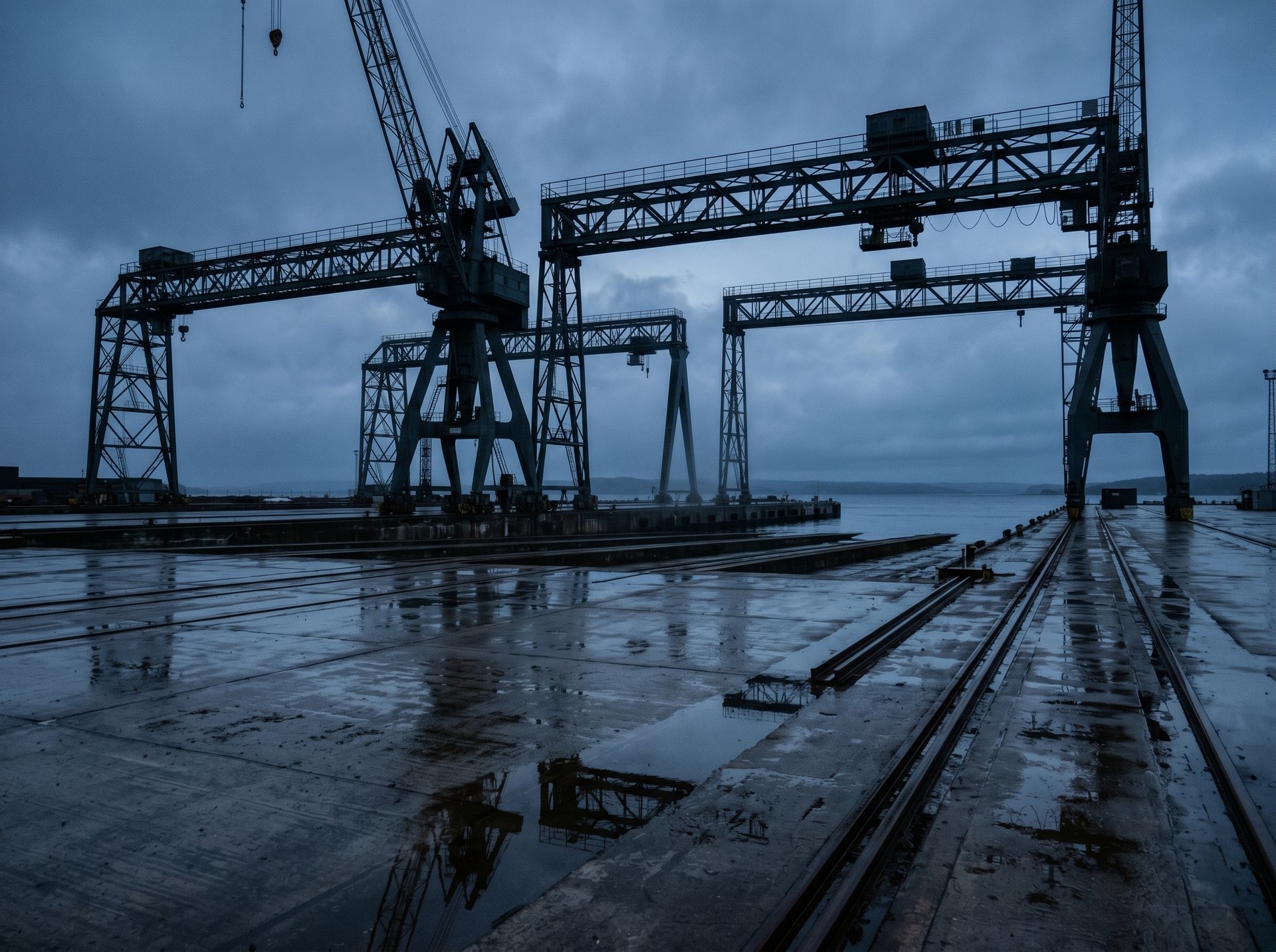
For a generation, Europe lived in the longest peace it has ever known. We told ourselves the work was finished. We thinned out the conscript armies. We sold off the shipyards. We stopped making the things we needed to defend ourselves and bought them from people who would.
It worked for as long as the people we bought from wanted to keep selling.
The world that arrangement assumed no longer exists. There is a land war on the European continent. There is a serious question about whether the United States will continue to underwrite our security at any price we can afford. There is a Chinese state that has out-built every European country at every level of the industrial stack, including the parts of that stack that matter for war. And there is a generation of European defence ministries that has been quietly looking at the wreckage of its industrial base and realising that ordering a few more F-35s does not fix it.
The honest version of the situation is this. We do not have the factories. We do not have the supply chains. We do not have the trained engineers in the numbers we need. We do not have the autonomy software. We do not have the production lines for the cheap, expendable, intelligent munitions that this decade of warfare runs on. And we do not have the political habit of treating any of these things as urgent.
We have to build all of it. Not buy it. Build it.
This is not a position you can outsource to a contractor on a fifteen-year procurement timeline. It is not a position you can paper over with a press release about a new European fund. It is a position that requires actual companies, in actual European cities, hiring actual engineers and building actual things. It requires people who are willing to spend the next decade doing the unglamorous industrial work of standing factories back up, qualifying suppliers, training operators, and shipping hardware that flies and floats and drives.
Varn is one of those companies. We are not the only one we will need. There should be ten more like us by the end of the decade. There should be a hundred more like us, at every layer of the stack, by the decade after that. The continent does not get a second chance at this.
What we believe about how to do it is in the public principles we have published alongside this letter. We will hold ourselves to them. If we fall short of them, you should hold us to them too.
This letter is also an invitation. If you are an engineer who has been doing extraordinary work at a large company and you have been waiting for European defence to become serious about your discipline, it is. If you are a former officer who has spent a career watching procurement fail and would like to spend the next chapter fixing it, the door is open. If you are a policymaker who would like to know what an actual industrial company on the ground sees and needs, we will tell you. If you are a citizen who has been wondering whether anyone is doing anything about this, the answer is that some of us are, and that the number is growing.
We did not choose the timing of this moment. Nobody in Europe did. But the moment is here, and the only acceptable response to it is to build.