
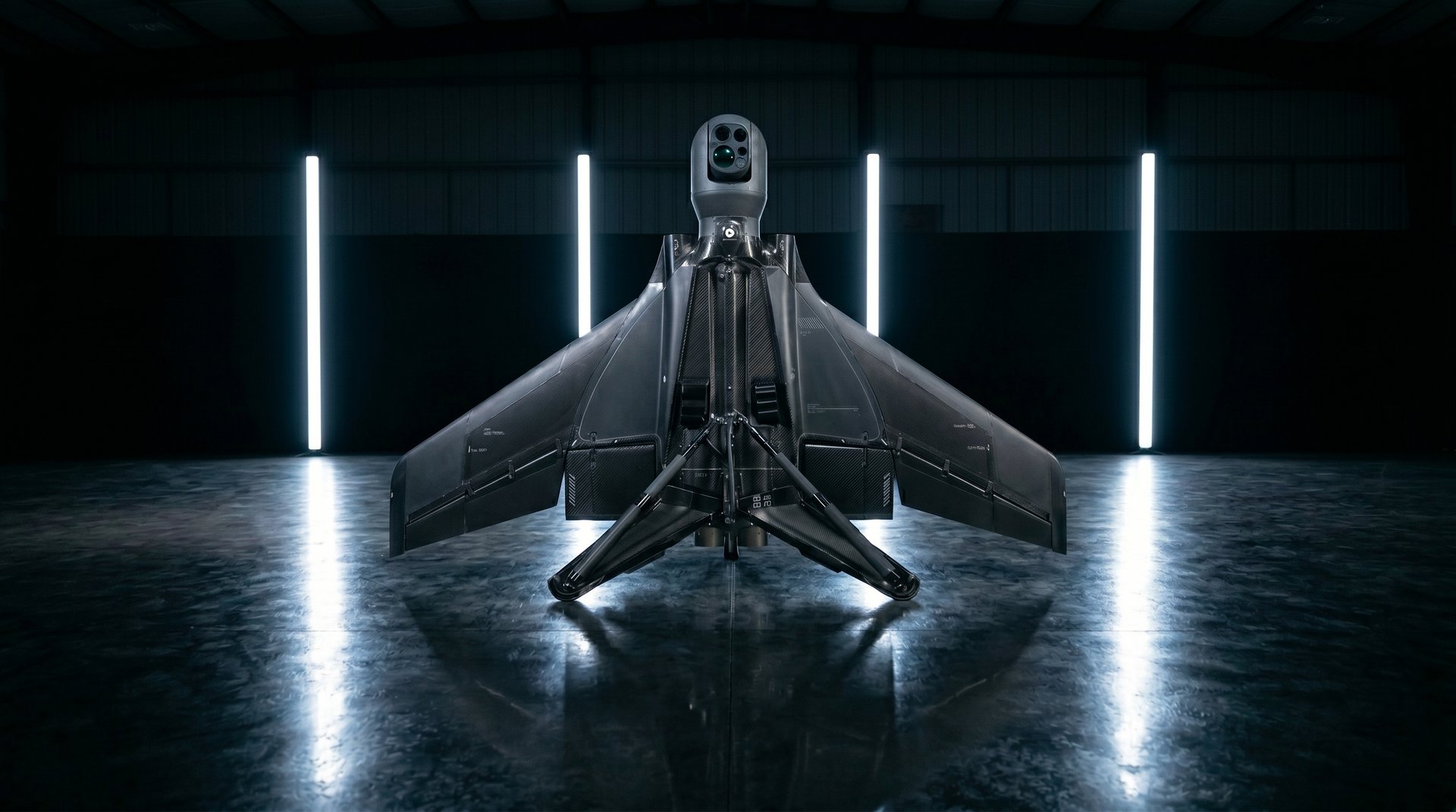
Gungnir
AI strike drone
A long-range autonomous strike platform.
Mission-planned, holding standoff, with autonomous final engagement. Designed for the targets that move.
Today, Gungnir is a concept. Engineering capacity is on Gjall first. We will not cut metal on the airframe until the interceptor is in the field.
What Gungnir does.
Four things, plainly stated. We will not promise what we have not delivered.
- Range
Long-range standoff.
Operates from outside hostile reach. Carries the strike, not the operator.
- Autonomy
Mission-planned engagement.
Routes itself, holds altitude, identifies the target. A human authorises the strike.
- Prioritisation
Multi-target reasoning.
Looks at the airspace, decides what to engage first, and what to leave alone.
- Operating envelope
Built for contested theatres.
Functions under jamming, GPS denial, and weather. Operates from short or improvised pads.
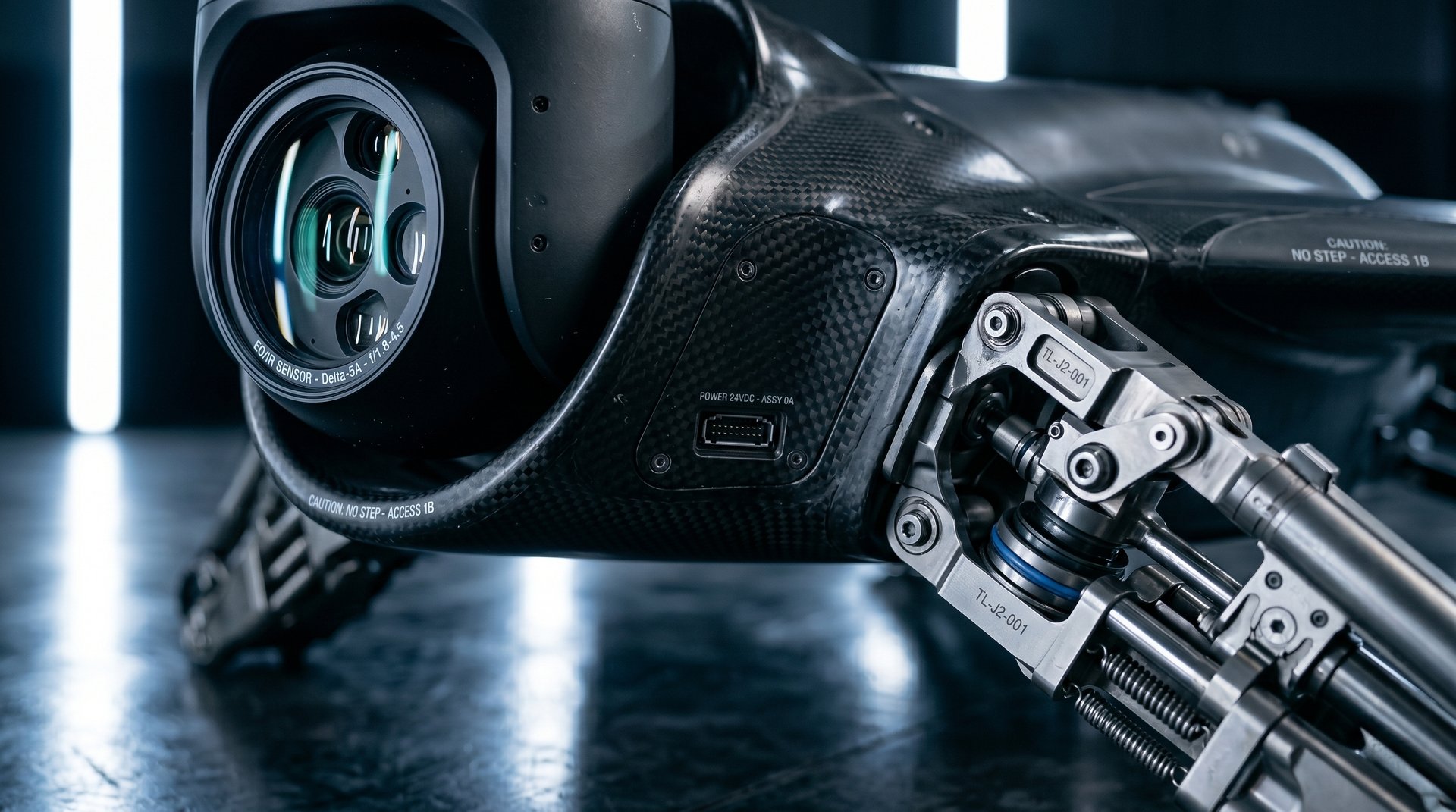
Sees what other drones miss.
Stacked EO, IR and SWIR apertures fused with onboard inference. Targets are identified, classified, and tracked inside the airframe before anything leaves the drone.
What the sensor sees.
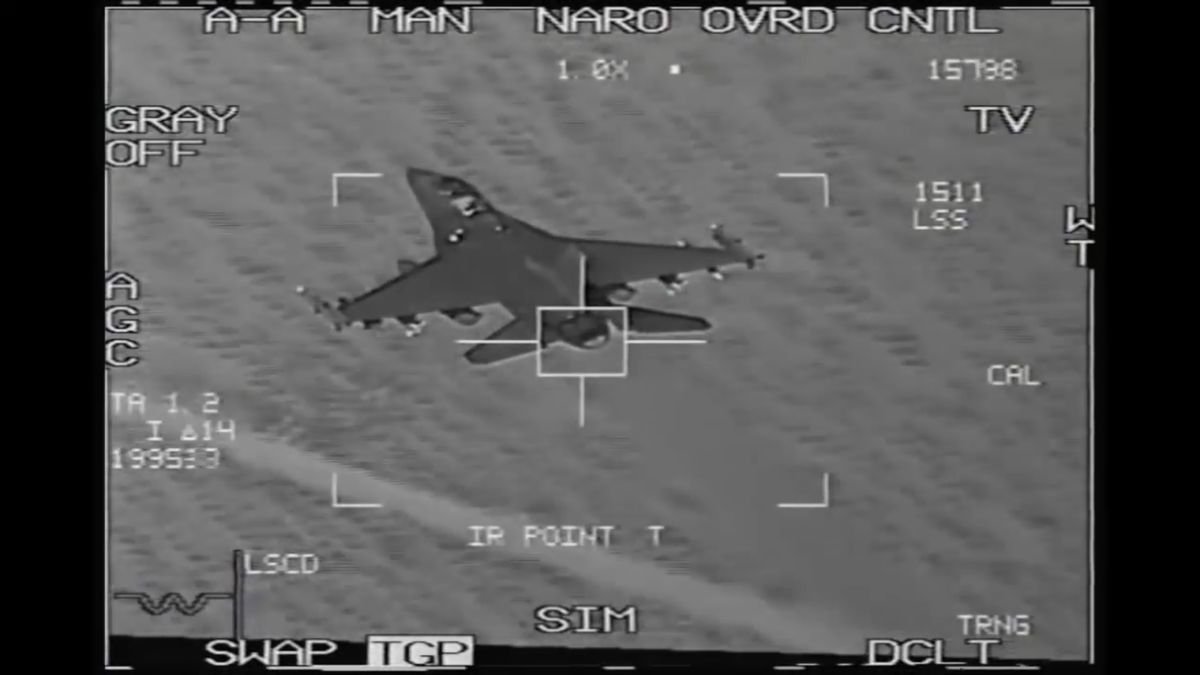
EO/IR tracking · Onboard inference
Targets are detected, classified, and prioritised inside the airframe. The operator authorises engagement. Nothing happens without a human in the loop.
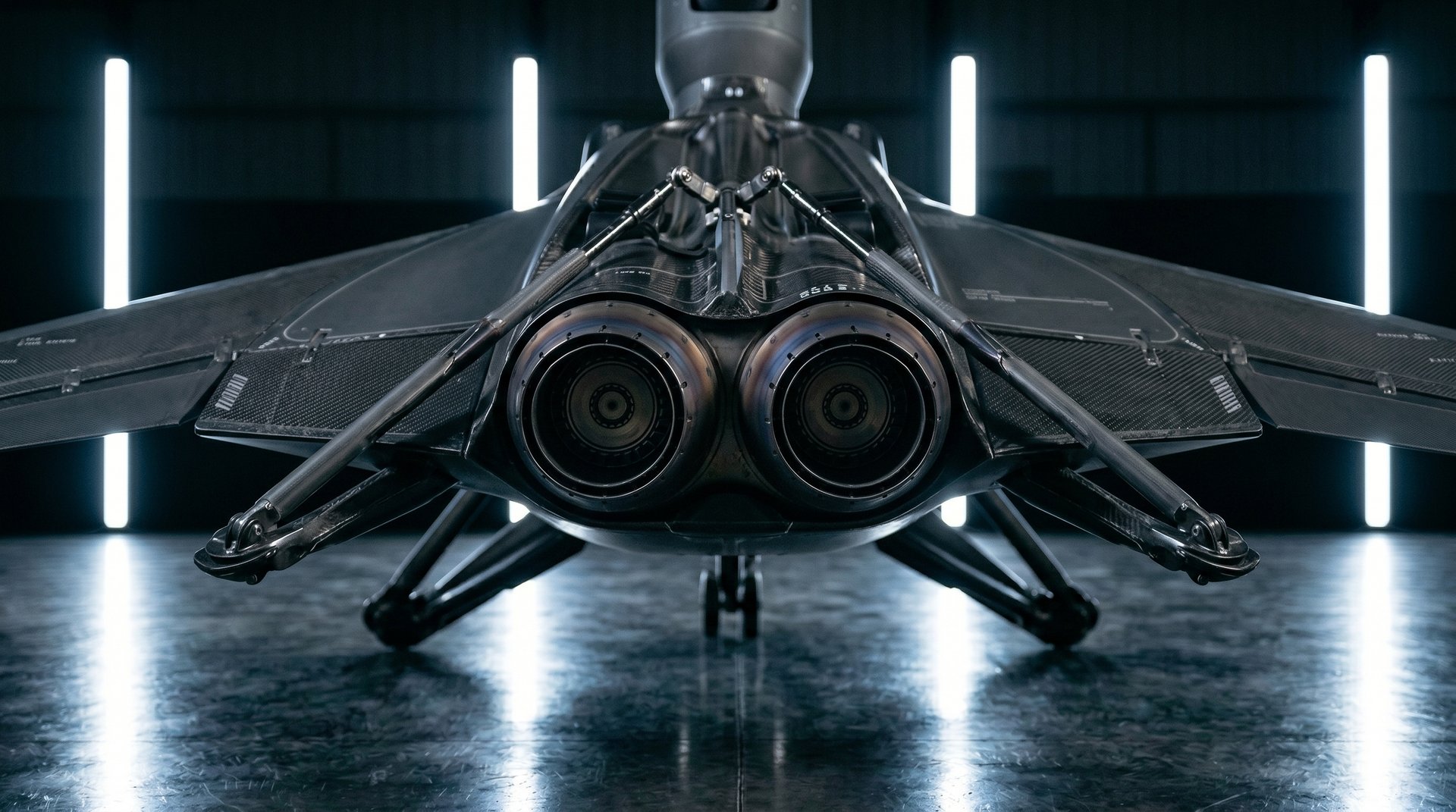
Twin engines, by design.
Redundant under fire. Quick climb, sustained dash, and operation off short or improvised pads. Lose one and the platform still finishes the mission.
For democracies. Nothing else.
Gungnir is built for democratic states, their armed forces, and their allies. We will not sell it outside that circle, under any framing, at any price.
If you operate inside that circle and want to understand what Gungnir can do for you, talk to us.